Last updated October 23, 2026. Educational information, not medical advice: see our Medical Disclaimer.
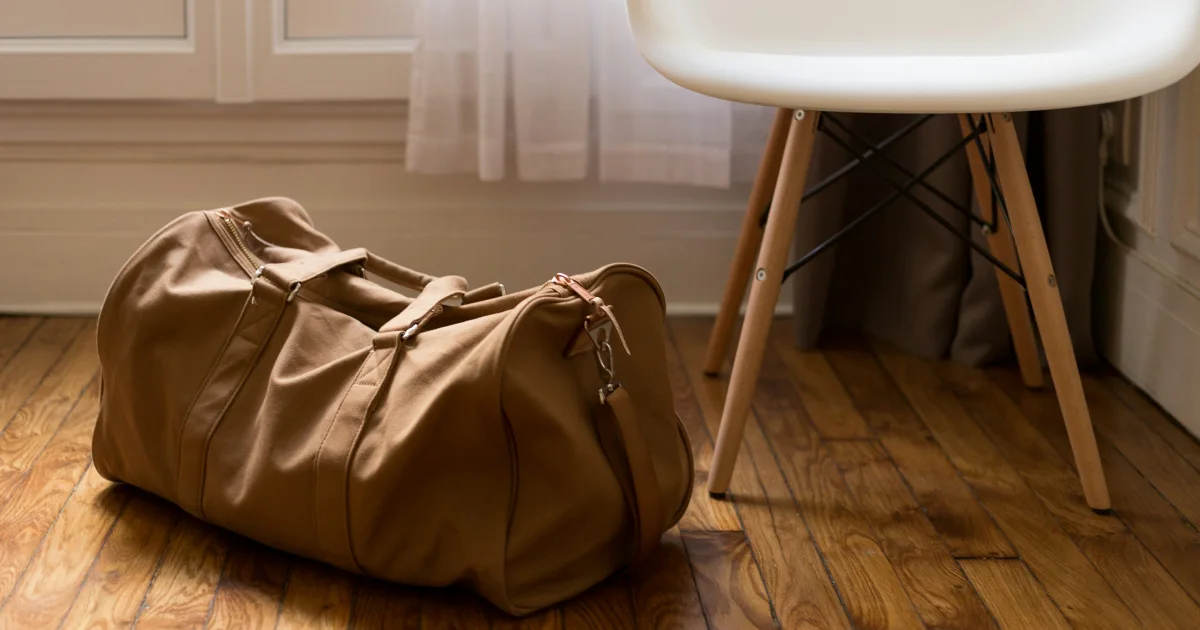
Packing your hospital bag is one of those jobs that feels both exciting and a little overwhelming. You want everything you might need, without dragging a suitcase you never open. This checklist covers what to pack for labour, for the first days after birth, for your baby and for your birth partner, with extra tips if you are having a planned or possible caesarean. It is based on NHS guidance and on what new parents most often say they were glad to have.
When should you pack your hospital bag?
The NHS suggests starting to pack as you approach 36 weeks of pregnancy, whether you plan to give birth in hospital, in a birth centre or at home. Babies do not always wait for the due date, so having your bag ready a few weeks early means one less thing to worry about. If you are expecting twins or have been told your baby may come early, pack sooner.
Tip: pack two smaller bags rather than one big one. One for labour, which goes into the room with you, and one for after the birth, which your partner can bring in later.
For labour
- Your birth plan and pregnancy notes, plus any medicines you take.
- Loose, comfortable clothes to labour in, such as a long T-shirt or nightdress.
- A dressing gown and slippers or non-slip socks: hospitals can be warm, but walking around in socks on a cold floor is not.
- Lip balm, since lips often dry out during labour.
- A hair tie or headband.
- Snacks and drinks for energy, such as cereal bars, dried fruit and isotonic drinks, plus a bottle with a straw.
- Things that help you relax: music and headphones, a book, massage oil, a fan or water spray to cool down.
- A phone charger with a long cable.
- Glasses if you wear contact lenses.
For after the birth
This is the part people most often under-pack. You will probably stay at least a day, and longer after a caesarean.
- Maternity pads: the NHS recommends two packs of super-absorbent maternity or period pads, as bleeding after birth can be heavy at first.
- Underwear: five or six pairs of comfortable knickers. Disposable or soft, high-waisted cotton pants are ideal, since they hold pads well and sit away from stitches or a scar.
- Bras: two or three comfortable, supportive bras, including nursing bras if you plan to breastfeed, plus breast pads.
- Clothes: front-opening or loose tops and nighties for feeding and skin-to-skin, and a loose outfit to go home in. It is completely normal to still look pregnant for a while after birth, so choose something with a soft, stretchy waist.
- Toiletries: toothbrush, toothpaste, shampoo, deodorant, hairbrush, face wipes and your own towel.
- Nipple cream if you plan to breastfeed.
- An extra pillow from home for comfort.
- A bag for dirty laundry.
For your baby
- Three or four bodysuits or vests and sleepsuits, in newborn and first sizes.
- An outfit to go home in, plus a hat, scratch mittens and socks or booties.
- A pack of newborn nappies and cotton wool or fragrance-free wipes.
- Muslin squares or bibs.
- A shawl or blanket for the journey home.
- A rear-facing car seat, already fitted in the car if you are driving home. Many hospitals will not let you leave by car without one.
For your birth partner
- Snacks, drinks and a refillable water bottle.
- Change of clothes and toiletries in case it is a long labour or they stay over.
- Phone, charger and some change or a card for parking and vending machines.
- A list of people to call or message with the news.
Extra items if you are having a C-section
A caesarean usually means a slightly longer stay and a sore tummy for the first weeks, so a few extras make a real difference:
- High-waisted underwear that sits well above the incision, so no elastic rubs on the wound.
- Loose, soft clothing with a waistband that does not press on your lower tummy, such as nightdresses or high-waisted joggers.
- A small cushion or folded towel to hold against your tummy when you cough, laugh or travel home with a seatbelt.
- Slip-on shoes, because bending to tie laces will be uncomfortable.
- Fibre-rich snacks and plenty of water, since constipation is common after surgery.
Some hospitals offer an abdominal binder after a caesarean for support when moving. Everyday shapewear is a different thing and is best left at home until your scar has healed and your doctor or midwife says it is fine. Our guide to shapewear after a C-section explains the timeline, and belly wrap vs belly band vs shapewear explains which support suits which stage.
How to organise your bag
- Use clear pouches or zip bags for each category (labour, after birth, baby, toiletries) so your partner can find things quickly without emptying everything.
- Put the labour essentials on top: notes, lip balm, snacks, charger and hair tie.
- Write a short list on the inside of the lid of anything you still need to add at the last minute, such as your phone, glasses or medicines.
- Pack baby’s first outfit in one bag together: vest, sleepsuit, hat and socks, so nothing goes missing in the excitement.
- Keep the bag by the door or in the car from around 36 weeks, along with the car seat.
Packing for a home birth or birth centre
Even if you are planning a home birth, the NHS recommends having a bag packed in case you need to transfer to hospital. For the birth itself at home, you will also want clean bed covers and old towels, a waterproof sheet to protect the mattress or sofa, clothes and nappies for the baby and two packs of maternity pads. If you are giving birth in a birth centre, check what they provide, such as towels or pillows, so you do not carry more than you need.
What to leave at home
- Jewellery and valuables you would hate to lose.
- Large amounts of cash.
- Lots of baby outfits: a few is plenty, and babies often go up a size quickly.
- Anything you would be upset to get stained.
A quick printable checklist
- Notes, birth plan, medicines
- Labour clothes, dressing gown, slippers
- Lip balm, hair tie, snacks, drinks, charger
- 2 packs of maternity pads
- 5 to 6 pairs of comfortable, high-waisted pants
- 2 to 3 nursing or comfortable bras, breast pads
- Loose going-home outfit, toiletries, towel
- Baby: vests, sleepsuits, hat, nappies, blanket, car seat
- Partner: snacks, clothes, charger
After you get home
The first weeks are about rest, feeding and healing. Keep moving gently with short walks, accept help and do not rush back into your old clothes. Once you are healed and moving around more, many women like a little extra support around the tummy for comfort.
Frequently asked questions
When should I have my hospital bag ready?
The NHS suggests starting to pack as you approach 36 weeks of pregnancy, earlier if you are expecting twins or have been told your baby may arrive early.
How many maternity pads should I pack?
The NHS recommends two packs of super-absorbent maternity or period pads for your hospital stay, with more at home for the following weeks.
What underwear is best after giving birth?
Soft, high-waisted pants that hold maternity pads securely are the most comfortable. After a caesarean, choose a waistband that sits well above the scar.
Do I need to pack shapewear in my hospital bag?
No. In the first days, comfortable high-waisted pants and, if your hospital offers one, a binder are enough. Everyday shapewear is for later, once you have healed and your care team agrees.
Keep reading
- Postpartum belly wrap vs belly band vs shapewear
- C-section shelf: why it happens and what helps
- Postpartum underwear: what to wear after birth
- All postpartum guides
This article is general information, not medical advice. Your hospital or midwife may have their own list, so check with them too.
Sources
- NHS: Pack your bag for labour
- NHS Best Start in Life: Hospital bag checklist (PDF)
- Mayo Clinic: C-section recovery
- NHS: Your post-pregnancy body
Free printable
Perimenopause symptom & cycle tracker
Track your periods, sleep, hot flashes and mood on one page, then bring it to your appointment. Enter your email to download it.
Sources cited in this article
- NHS: Pack your bag for labour (nhs.uk)
- NHS Best Start in Life: Hospital bag checklist (PDF) (assets.nhs.uk)
- Mayo Clinic: C-section recovery: Art 20047310 (mayoclinic.org)
- NHS: Your post-pregnancy body: Your post pregnancy body (nhs.uk)
Last checked October 23, 2026. Spot an outdated source? Tell us.
About the author: Jessica Bordo writes Daily Health Cycle out of personal interest in women’s health, not as a clinician. Each article summarizes what sources such as the NHS, Mayo Clinic, Cleveland Clinic and ACOG say, and links to them so you can check the claims yourself. Use these guides to prepare questions for your own clinician, not to replace their advice. Our editorial standards explain how we research and update articles.
This article is for general education and isn’t medical advice. See our full disclaimer and talk with a qualified clinician about your own care.